My October progress
0 km
My target
87 km
Follow my journey from the Ocean to the Outback
Why I'm walking
The Royal Flying Doctor Service has always been an incredibly important part of life for my family and so many others living and working in the outback.
Recently, my uncle suffered a stroke and needed urgent medical care. Without the Royal Flying Doctor Service, he may never have received the lifesaving treatment he needed. Thanks to their incredible team, he was given the care and support that helped him survive and continue doing what he loves — working on the land that has been his livelihood and lifeblood for so many years.
Having seen firsthand the difference the RFDS can make, I feel it is now my turn to give back.
Every donation, no matter the size, will help support the Royal Flying Doctor Service so they can continue providing vital emergency healthcare to people across remote and rural Australia. Your support doesn't just help my family — it helps hundreds of other outback families who rely on this incredible service when they need it most.
Thank you for helping me give back to an organisation that has given so much to my family and our outback community.
I'm fundraising for the Royal Flying Doctor Service
Australia is a big country, and for those living in remote, rural and regional areas, access to immediate care isn’t a guarantee. For some communities, the nearest hospital is eight hours drive away.
This October, I’m taking on a month-long fitness challenge to help more people access the care they need. By going further, I hope to raise as much as possible for the Royal Flying Doctor Service (RFDS).
Every year, the RFDS reach more than 330,000 Australians with 24-hour emergency retrieval and primary healthcare services. That’s one person every two minutes!
Together, we can keep the Flying Doctor flying and continue their life-saving work. Please donate to my challenge today!
So far this year
I’ve helped provide...

1
Laryngoscopes – used to assist in intubating and ventilating a patient.
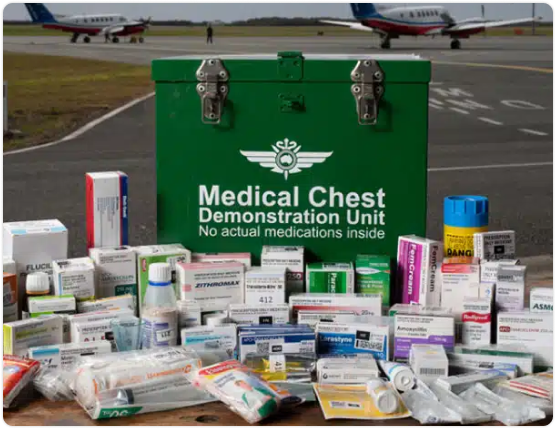
1
Life-saving medical chests for a remote, rural or regional community.

1
Defibrillator Pads – used with a machine to monitor a patient’s cardiac health.
Thank you to my supporters
100% Total Legends
Top Fans
Proud Supporters


